
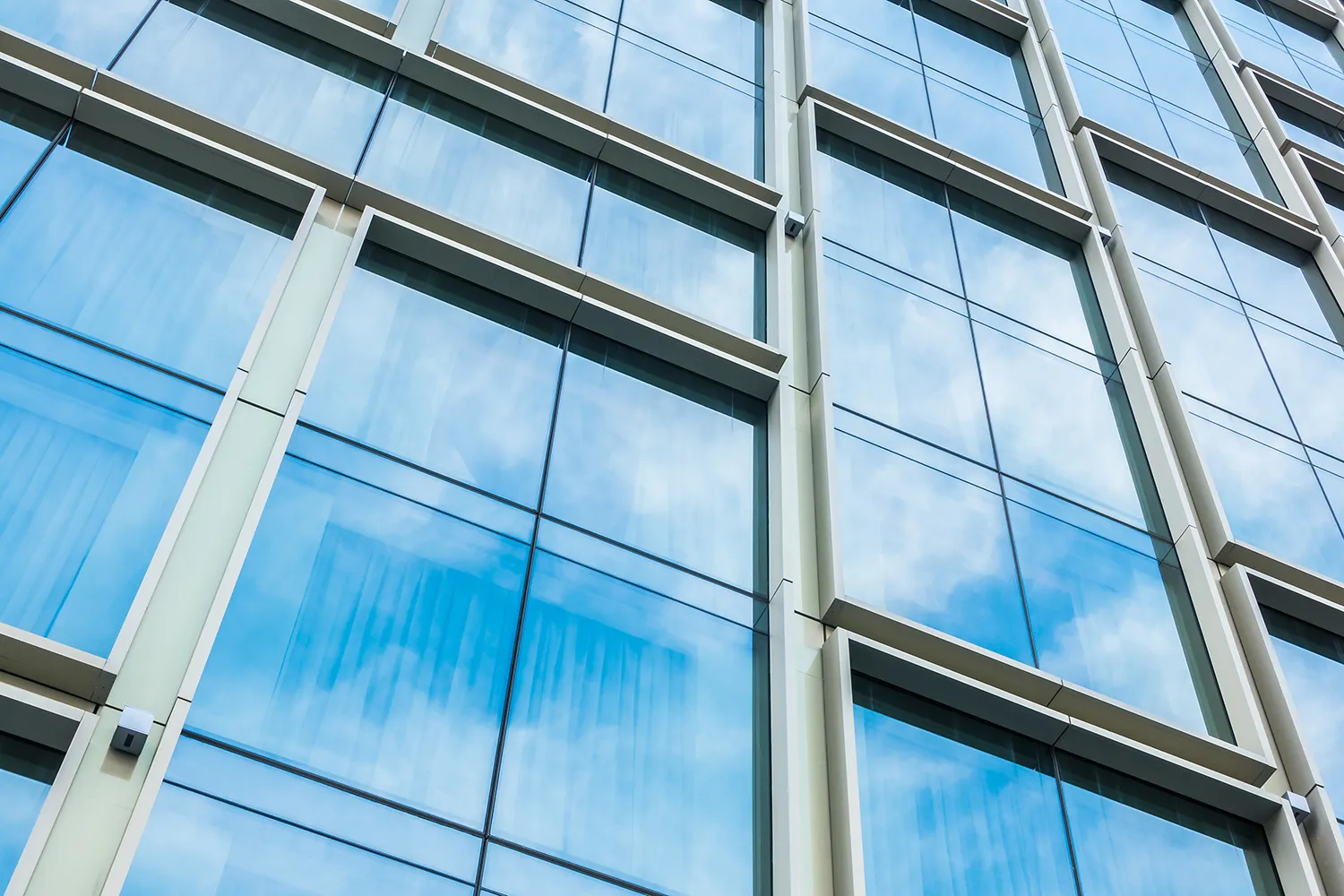
Orlando businesses are under more pressure than ever in 2025 to control operating costs while still delivering comfortable, attractive environments for employees and customers. Rising utility rates, stricter ESG expectations, and increased competition mean every square foot of commercial space has to perform at a higher level. This is where an energy masters commercial approach to window film design and installation becomes a strategic advantage rather than a simple building upgrade.
Instead of treating window tint as a cosmetic add-on, leading property owners now view advanced window film as an energy asset—one that can reduce HVAC load, smooth out demand spikes, protect interiors, and support productivity. When commercial films are engineered and installed by true energy masters commercial professionals like Tint By Masters, they become part of a measurable cost-control and sustainability strategy that shows up in both utility data and occupant satisfaction scores.
1. HVAC Load Reduction and Cooling Cost Savings
In Central Florida’s climate, cooling is often the single largest energy expense for office buildings, retail centers, and hospitality properties. Unprotected glass allows massive amounts of solar heat into the building envelope, forcing chillers, rooftop units, and split systems to work harder and longer just to maintain setpoints. An energy masters commercial window film solution is engineered to intercept that heat at the glass, significantly reducing the thermal load before it ever reaches the conditioned space.
By cutting a substantial portion of solar heat gain, high-performance films help stabilize interior temperatures and reduce the number of hours HVAC equipment operates at or near peak capacity. Over a full cooling season, this translates into lower kWh consumption and reduced wear on compressors, fans, and controls. In multi-story office buildings and large retail spaces, the cumulative savings can be substantial enough to deliver a clear, trackable payback period that finance teams can model and verify.
2. Demand Charge Mitigation and Peak Load Management
Many Orlando-area commercial electric rate structures include demand charges based on the highest kilowatt draw during a billing period. Those peaks often occur on hot afternoons when solar gain through glass is at its worst and HVAC systems are fighting to keep up. An energy masters commercial window film design specifically targets these peak conditions by reducing the intensity of solar load during those critical hours.
When less heat enters the building, HVAC systems do not have to ramp up as aggressively, which can help lower the facility’s maximum demand. Even modest reductions in peak demand can have an outsized impact on monthly utility bills, because demand charges are often a significant portion of total costs. Over the course of a year, this smoothing of peaks can become one of the most valuable financial benefits of a properly engineered window film project, particularly for properties with large glass façades and high occupant density.
3. Extended Equipment Life and Reduced Capital Expenditures
Every facilities manager understands that HVAC equipment has a finite life, and that running systems at high capacity for long hours shortens that life. By reducing heat gain and stabilizing interior conditions, an energy masters commercial window film solution helps mechanical systems operate within a more favorable range, with fewer extreme swings and less frequent cycling. Over time, this gentler operating profile can extend the useful life of chillers, air handlers, rooftop units, and controls.
When equipment lasts longer and experiences fewer emergency failures, capital planning becomes more predictable and less disruptive. Instead of facing premature replacements driven by overworked systems, building owners can align major HVAC investments with broader renovation cycles or financing strategies. In this way, window film becomes a protective layer not only for the building envelope, but for the capital budget itself.
4. Reduced Interior Maintenance and Asset Protection
Beyond energy and mechanical savings, commercial properties lose significant value each year to sun damage and accelerated wear on interior finishes. UV radiation and solar heat degrade flooring, furnishings, signage, and merchandise, forcing more frequent replacement and driving up maintenance budgets. An energy masters commercial window film specification includes high UV rejection and controlled solar transmission to protect these interior assets.
In office environments, this means carpets, workstations, and lobby finishes retain their appearance longer, supporting a professional image and reducing refresh cycles. In retail and hospitality, it helps preserve product displays, fabrics, and branded elements that are critical to guest experience and revenue generation. When these avoided replacement costs are added to energy savings, the total financial impact of the project becomes even more compelling for owners and asset managers.
5. Improved Employee Productivity and Occupant Experience
Comfort and visual quality are increasingly recognized as core drivers of productivity, especially in knowledge-based and customer-facing environments. Glare on screens, hot and cold spots, and uncomfortable radiant heat near windows all contribute to complaints, distractions, and reduced focus. An energy masters commercial window film design considers not just BTUs and kWh, but how light and heat affect the people working inside the building.
By reducing glare without darkening spaces, films help create more usable workstations near windows and improve visibility on monitors and digital displays. Temperature stability reduces the “too hot/too cold” cycle that often triggers thermostat battles and comfort calls to facilities. Over time, these improvements can support higher productivity, better tenant satisfaction scores, and stronger employee retention—soft metrics that increasingly matter in competitive labor and leasing markets.
Real-World Applications: Office, Retail, and Hospitality
In a multi-tenant office building in Orlando’s business district, a properly engineered energy masters commercial film project can reduce solar gain on upper floors, making perimeter offices more comfortable and reducing after-hours cooling requirements. Tenants experience fewer hot spots and glare issues, while the owner sees improved energy performance data and a stronger sustainability story for prospective occupants. The project becomes a tangible example of operational excellence that leasing teams can highlight.
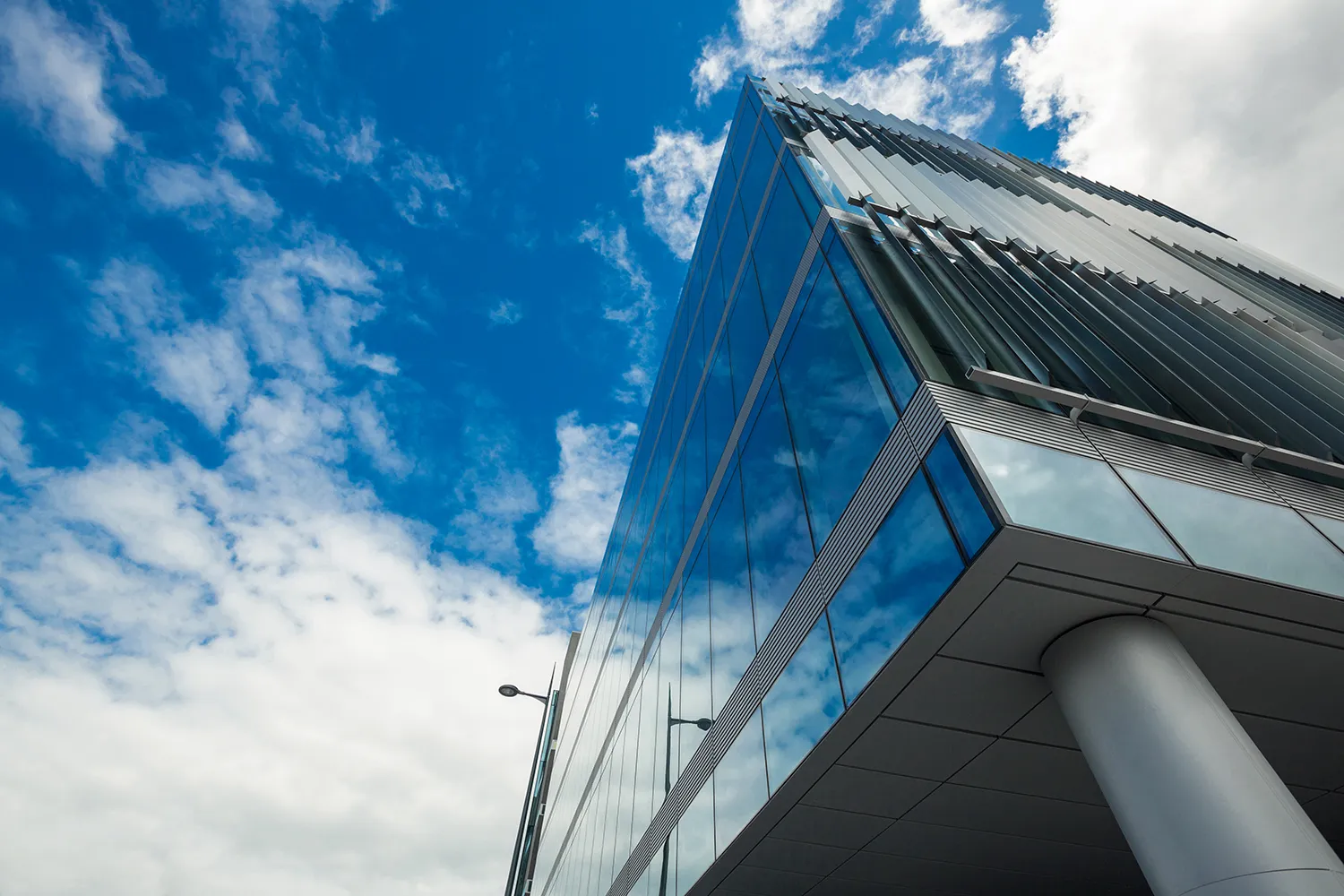
In retail environments, window film can protect merchandise from fading while still allowing inviting daylight into display areas. A thoughtful energy masters commercial design balances visibility, comfort, and protection so that storefronts remain bright and appealing without sacrificing product longevity or employee comfort at the front of house. The result is a better shopping experience and lower shrinkage from sun-damaged inventory.
Hospitality properties—hotels, resorts, and event venues—benefit from window film by improving guest comfort in rooms, lobbies, and meeting spaces that receive intense afternoon sun. When guests can enjoy views without closing blackout curtains during the day, satisfaction scores and perceived quality of the property often improve. At the same time, the property benefits from lower cooling loads across large conditioned volumes such as atriums and ballrooms.
Supporting ESG and Sustainability Goals in 2025
ESG reporting and sustainability commitments are no longer optional for many commercial owners and corporate occupiers. Reducing energy consumption and improving building performance are key components of these strategies. An energy masters commercial window film project aligns directly with these goals by delivering verifiable reductions in cooling energy use and supporting better thermal performance of existing façades.
Because window film is a non-invasive upgrade that leverages existing glass, it often represents one of the fastest, most cost-effective ways to improve a building’s energy profile without major structural changes. When paired with proper documentation and, where applicable, utility data analysis, these projects can contribute to green building certifications, internal ESG scorecards, and corporate sustainability reporting. In 2025, that alignment between operational savings and ESG value is a major reason commercial decision-makers are taking a closer look at advanced film solutions.
Why Tint By Masters Delivers “Energy Masters” Level Results
The difference between a basic tint job and a true energy masters commercial solution lies in design, product selection, and execution. Tint By Masters brings decades of Central Florida experience to every project, starting with a detailed assessment of glass types, orientations, occupancy patterns, and mechanical systems. This allows them to recommend specific film technologies that match the building’s performance profile rather than relying on one-size-fits-all products.

Their team follows a systematic installation process that prioritizes quality control, safety, and minimal disruption to operations—critical factors in occupied offices, retail spaces, and hospitality venues. As an established professional provider, Tint By Masters also supports clients with documentation, warranty coordination, and, when needed, performance data that helps validate ROI. For Orlando owners and facility teams looking to treat their glass as a true energy asset, partnering with an experienced “energy masters” provider is what turns a window film project into a strategic cost-control and sustainability tool.
For commercial properties across Orlando, the financial and operational case for advanced window film has never been stronger. An energy masters commercial approach from Tint By Masters helps reduce operating costs, protect assets, support ESG goals, and create better environments for the people who work, shop, and stay inside your buildings every day. In 2025, it is one of the most practical, high-impact upgrades available for glass-heavy properties in Central Florida.
To explore how a customized window film solution can cut operating costs in your portfolio, contact Tint By Masters at (407) 521-0920 or visit tintbymasters.com to schedule a commercial consultation and performance review.